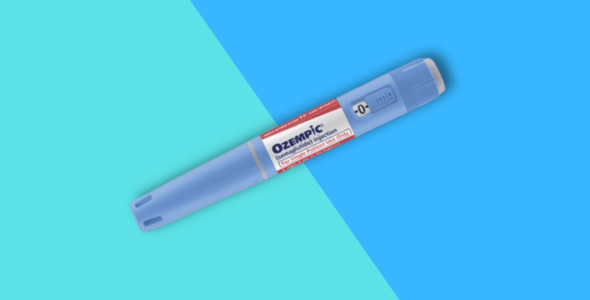
Ozempic Breath: Causes, solutions, and warnings
While Ozempic transforms your waistline, it might be sabotaging your breath, but that "metallic" or "sulfur" scent is actually a biological roadmap to how the drug is working.
Key highlights
- Ozempic breath is a common side effect of GLP-1 medications that no one talks about. It is usually caused by ketosis, dry mouth, and slow digestion, not by poor hygiene.
- The smell is often described as acetone-like, sulfur-like, and metallic, which might be worrisome for some people.
- It is temporary and can be managed by staying well hydrated, maintaining oral hygiene, eating balanced meals, and following a gut-friendly diet.
- Ozempic breath is usually harmless, but if you experience extreme thirst, confusion, severe abdominal pain, or fecal smell, immediately consult with your healthcare provider.
- You can enjoy the benefits of Ozempic by following the right strategies without any social discomfort.
Ozempic breath is a silent side effect that no one warns you about when starting the medication. Ozempic, a widely used brand-name GLP-1 receptor agonist, is FDA-approved for managing type 2 diabetes and often prescribed off-label for obesity. While Ozempic’s weight loss results are widely celebrated, its awkward and persistent side effects, such as “Ozempic breath,” are rarely discussed openly.
This isn’t about vanity. Bad breath can affect your confidence, relationships, and how comfortable you feel around others. “Ozempic breath” is a community term for bad breath, unusual mouth odors, or taste changes some users experience. It is not listed as a primary side effect in clinical trials, but complaints appear frequently on Reddit and TikTok.
This side effect of Ozempic is manageable, and solutions exist. Understanding why Ozempic causes bad breath is the first step to curing it. This guide will break down the science behind the smell, offer a practical action plan to combat it, and highlight warning signs that may require immediate medical attention.
What does Ozempic breath smell like?
Many Ozempic users report that Ozempic breath is more nuanced than typical bad breath. It can have distinct and unusual qualities that include:
- Keto or acetone smell: Your breath may smell fruity, sweet, or acetone-like (nail polish remover).
- Sulfur or rotten egg smell: It may smell like rotten eggs or digestive gases, which is typically noticed in burps.
- Metallic or bitter taste: You may feel a metallic taste or bitterness in your mouth that also affects flavor perception.
- Dry mouth and general halitosis: Your mouth feels sticky and dry that worsens breath smell despite brushing and using mouthwash.
Ozempic breath can make your close conversations stressful, which may lead to anxiety and self-consciousness in social or professional settings. Remember, these varying odors are not random. They point to different underlying causes, which we will explore next.
The 5 main causes of bad breath on Ozempic
When you start taking Ozempic for weight management (off-label), bad breath can be an unexpected side effect. The medication doesn’t directly cause this side effect, but physiological changes in the body associated with calorie deficit lead to oral health issues.
Ozempic works by reducing appetite, slowing digestion, and suppressing hunger cravings. These effects help control blood sugar levels and weight, but they can also affect your mouth, stomach, and hydration levels. As a result, bacteria, digestive gases, ketones, and acids can build up more easily, which leads to unpleasant breath.
1. Nutritional ketosis (the “keto breath” connection)
When you take Ozempic, it reduces your appetite and lowers your calorie intake. Normally, your body uses carbohydrates for energy. When you eat fewer carbs, your body looks for alternative fuel sources, such as fat.
When your body burns fat for energy, it produces ketones as a byproduct. One type of ketone, called acetone, is released through your breath, which can cause a fruity or metallic smell. This is a common and temporary side effect that indicates your metabolism is adapting.
2. Dry mouth (xerostomia)
GLP-1 medications can reduce saliva production in your mouth. Saliva is essential for your oral cavity because it washes away the bacteria and food particles and keeps your mouth fresh and clean. When you have less saliva, bacteria can multiply more easily and produce chemicals that can lead to bad breath.
This is similar to “morning breath.” When Ozempic reduces the production of saliva, your mouth becomes dry, and an unpleasant smell may last throughout the day. Therefore, drinking enough water and maintaining good oral hygiene can help keep your breath fresher.
3. Gastrointestinal slowdown and sulfur burps
Ozempic works by slowing down the gastric emptying, which means food stays in your stomach for longer than usual. This delay in gastric emptying helps you feel full longer and can also lead to bacterial overgrowth.
These bacteria ferment the food and produce sulfur-producing gases. These gases can travel upward as burps and cause your breath to smell unpleasant, sometimes like rotten eggs.
4. Reflux and GERD
Ozempic can sometimes cause acid reflux. In this condition, the stomach acid flows back into the esophagus and mouth. This acid has a strong and unpleasant smell that can affect your breath. Reflux can also irritate your throat and mouth. It makes your dry mouth worse and provides a favourable environment for the bacteria to grow.
5. Dehydration
Ozempic can cause nausea and reduce appetite, which may make you drink less water. Even mild dehydration can worsen bad breath because it reduces saliva and creates an environment for the odor-causing bacteria to grow.
Dehydration also concentrates smelly compounds in your body, like ketones from fat burning and sulfur gases from digestion, and makes your breath smell stronger.
Ozempic breath vs. keto breath: What’s the difference?
Ozempic breath and keto breath are different in the following ways:
| Keto Breath | Ozempic Breath | |
|---|---|---|
| Primary Cause | Metabolic shifts due to carbohydrate restriction that can lead to ketosis | Combination of metabolic shifts (ketosis) and slowed digestion caused by Ozempic |
| Odor | Fruity or acetone-like | Fruity or acetone like and possible digestive and fermentation odors |
| Onset | Usually gradual and linked to starting a low-carb or ketogenic diet | Can develop gradually but often worsens due to slower stomach emptying |
| Associated Symptoms | Mild fatigue, dry mouth | Dry mouth, slowed digestion, bloating, constipation |
| Management Focus | Hydration, macronutrient balance, oral hygiene | You can manage Ozempic breath by staying well-hydrated, eating smaller, more frequent meals, maintaining good oral hygiene, and addressing issues like dry mouth and slowed digestion |
| Risk Level | Generally safe | Usually safe, but persistent digestive issues or unusual odors may need evaluation |
How to manage and reduce Ozempic breath: 10 proven strategies
Ozempic breath is often linked to ketosis, dry mouth, and slowed digestion. These changes can lead to unpleasant breath, which may affect social interactions, self-confidence, and overall quality of life. However, there are proven strategies that can help manage and prevent Ozempic breath, including the following:
1. Hyper-hydration
Drinking enough water helps flush ketones from your body and stimulate saliva production. Saliva has natural antiseptic, antibacterial, and antifungal properties that maintain your oral health and wash away odor-causing bacteria from your mouth. Follow these tips to keep yourself hydrated:
- Sip water consistently throughout the day
- Use phone reminders or timers for regular drinking.
- Add flavour with lemon and cucumber if plain water is unappealing.
- Carry a reusable bottle with you when you go outside so you can drink water everywhere.
2. Optimize oral hygiene
Bacteria are present everywhere in your mouth, such as the tongue, teeth, and gums, which may cause bad breath and affect your oral hygiene. You can manage your oral hygiene by following these tips.
- Use a good toothpaste and thoroughly brush your teeth twice a day.
- Floss your teeth daily.
- Use a tongue scraper to remove bacteria and food particles from your tongue.
- Rinse your mouth with alcohol-free mouthwash.
- Replace your toothbrush every 3 months.
3. Digestive timing
Ozempic slows stomach emptying, which means food stays in the stomach longer than usual. This delay can lead to fermentation and gas production that results in bad breath. To avoid this:
- Eat smaller and more frequent meals
- Avoid large, oily, greasy, and late-night meals
- Chew food thoroughly before swallowing
- Add fiber to your diet to support bowel movements
4. Combat dry mouth directly
Dry mouth creates an environment for bacteria to grow, which can worsen bad breath. To manage this:
- Use sugar-free gums such as lozenges or xylitol gums
- Try over-the-counter (OTC) saliva substitutes
- Drink water before going to bed
- Use a humidifier at night
- Avoid drinking caffeine or alcohol because they may worsen the dry mouth.
5. Choose breath-friendly foods and snacks
Consume foods that stimulate saliva production and fight breath odor naturally. These include the following:
- Crisp fruits and vegetables (apple and celery)
- Parsley and yogurt (they act as probiotics)
However, if ketosis-related breath is strong, avoid consuming very low-carb diets. Add small amounts of healthy carbs (whole grains and fruits) if they are appropriate for you.
6. Manage sulfur burps and digestion
Sulphur burps and gas often lead to unpleasant breath. To manage this:
- Eat smaller but more frequent meals.
- Identify and avoid consuming foods that trigger Ozempic breath. These include cruciferous veggies, high-fat, and high-sulfur foods.
- Use over-the-counter aids like simethicone or digestive enzymes and consult with your healthcare provider before regular use.
7. Use strategic breath fresheners
Some breathe fresheners not only to mask the odor but also fight bad bacteria, such as xylitol. For this, you can use:
- Sugar-free mints and gum that contain xylitol
- Carry a travel-sized mouthwash
- Avoid consuming sugary mint, which feeds bacteria.
8. Probiotics
Probiotics help balance the gut and oral microbiome and reduce odor-causing bacteria. You can get probiotics from the following foods:
- Yogurt and kefir
- Probiotic supplements
- Fermented foods (kimchi, sauerkraut, miso)
Choose authentic and high-quality products and consult your provider if you are unsure about food choices.
9. Don’t skip meals entirely
Long fasting can increase ketosis, which can intensify acetone breath. Therefore, eat small and more balanced meals and include protein shakes to provide more fuel to your body.
10. Monitoring macronutrients
Balancing protein and healthy fats can help manage the intensity of ketosis and reduce “Ozempic breath.” Eat in smaller portions but more frequently to avoid ketosis. Include a mix of protein, healthy fats, and some fiber or carbs in each meal.
Is Ozempic breath dangerous?
In most cases, “Ozempic breath” is harmless and related to nutritional ketosis. However, it is important to recognize the difference between nutritional ketosis and a serious medical emergency like Diabetic Ketoacidosis (DKA).
| Likely Nutritional Ketosis (Manageable) | Possible Diabetic Ketoacidosis (DKA) – Medical Emergency | |
|---|---|---|
| Breath | Fruity or acetone-like | Fruity or acetone-like |
| Onset | Gradual | Rapid |
| General Feeling | Slightly fatigued | Nausea, vomiting, abdominal pain |
| Cause | Associated with intentional or unintentional reduced eating | High blood sugar (>250 mg/dL) despite ketones |
| Other Signs | Mild fatigue, manageable thirst | Extreme thirst, frequent urination, confusion, shortness of breath, severe fatigue |
| Urgency Level | Usually manageable | Requires immediate medical attention |
If you have type 1 or type 2 diabetes and notice symptoms from the right-hand column, especially with very high blood sugar, seek emergency care immediately. DKA (diabetic ketoacidosis) is rare with Ozempic, but it is a life-threatening condition that requires urgent medical attention. Nutritional ketosis from Ozempic is manageable and improves with hydration, balanced meals, and proper oral care.
When should you be worried?
Not all bad breath is the same. Most cases are caused by poor oral hygiene, dry mouth, gum disease, or acid reflux. However, you should take bad breath seriously when it has a fecal odor (breath that smells like stool or sewage). This type of odor is uncommon and may indicate:
- Bowel obstruction
- Severe constipation
- Gastrointestinal blockage
Dry mouth may also increase the risk of tooth decay, and individuals with diabetes are at an increased risk of developing dental disease.
If you notice a stool-like smell along with other gastrointestinal symptoms such as nausea, vomiting, abdominal discomfort, or constipation, consult your healthcare provider immediately for further evaluation.
Additionally, seek medical attention if bad breath is accompanied by persistent vomiting, severe abdominal pain, or an inability to pass gas, as these may be signs of an underlying serious condition.
How long does Ozempic breath last?
When you start taking Ozempic, bad breath usually happens in the first few weeks or months as your body adjusts to burning fat for energy. Over time, it often gets better or comes and goes. Therefore, drinking enough water and keeping up good oral hygiene can help.
When to see your doctor
You should consult with your healthcare provider if you notice the following:
- If you have any signs of possible DKA, such as excessive thirst, frequent urination, fruity smell, fatigue, or confusion.
- Your breath changes are severely impacting your quality of life or nutrition.
- Smelly breath is accompanied by severe vomiting, constipation, or abdominal pain.
- If you have severe dry mouth that could harm your dental health.
These issues are common with medications like Ozempic. Your prescriber can help by adjusting your dosage, suggesting solutions, or giving personalized advice to manage symptoms safely.
Ozempic breath FAQs
Does Ozempic breath go away on its own?
For some users, Ozempic breath may improve over time as the body adjusts to the medication. During the first few weeks, changes in digestion, metabolism, and saliva can contribute to unusual odors and tastes. When your body adapts, these effects sometimes lessen, but they may not disappear completely. It is better to find the cause of bad breath to manage it more effectively rather than just waiting for it to go away on its own.
Is it a sign that the medication is working?
Yes, Ozempic breath can actually signal that the medication is working perfectly. Changes in metabolism and appetite suppression, which help with weight loss, can also alter digestion and produce unusual breath odors.
Can I use Listerine?
Be cautious with alcohol-based mouthwashes like Listerine. While they may temporarily mask odor, alcohol can dry out your mouth and worsen your Ozempic breath. Therefore, always choose alcohol-free mouthwashes or hydration-focused oral care products to keep your breath fresh without aggravating dry mouth.
Conclusion: How to identify and manage Ozempic breath
For most people, Ozempic breath is a temporary and manageable side effect that usually appears as the body adjusts to the medication. It is often a sign that your body is responding to the treatment. Ozempic breath is multifactorial and results from a combination of nutritional ketosis, dry mouth, slowed digestion, mild dehydration, and acid reflux. It can be managed with proper hydration, a balanced diet, good oral hygiene, and eating smaller and more frequent meals.
In most cases, Ozempic breath is harmless. However, you should remain vigilant for warning signs such as a fecal-like smell, persistent vomiting, or severe abdominal pain, as these may be linked to bowel obstruction. If you experience any of these symptoms while taking Ozempic for weight loss or blood sugar control, consult your healthcare provider immediately. Always maintain open communication with your healthcare provider and discuss any health concerns or side effects you experience.
Managing side effects is an important part of your weight loss journey. If you experience any side effects with Ozempic, address them with your healthcare provider to enjoy long-term success and health benefits.