Zepbound maintenance dose after goal weight: What dose should you stay on?
Reaching your goal weight on Zepbound is a huge victory, but the journey isn't over. Here's what science says about maintaining those results for the long haul.
Key highlights
- Zepbound (tirzepatide) is a prescription medication that is FDA-approved for chronic weight management and treatment of moderate to severe obstructive sleep apnea (OSA).
- The typical maintenance dose of Zepbound ranges from 5 mg to 15 mg once weekly. This dose is adjusted based on body weight, tolerance, lifestyle, and health conditions.
- When you achieve your goal weight loss, your doctor may recommend a maintenance dose to keep the lost weight off.
- Zepbound coverage for weight loss maintenance may need prior approval from your insurance provider. If you have commercial insurance, you may be eligible for the Zepbound Savings Card and receive the medication for as little as $25. You can also buy discounted Zepbound through LillyDirect if you pay out of pocket.
- Have regular follow-up visits with your doctor to monitor weight changes, side effects, and your metabolic profile for safe and effective maintenance.
Achieving weight-loss goals can be joyful and rewarding. When you reach your target, you may wonder what happens next. Will the weight come back? This concern is very common, but the good news is that it can be managed with a maintenance dose.
When you achieve your weight loss goal, you enter into a maintenance phase. During this phase, your doctor puts you on a Zepbound maintenance dose to help keep your weight off. Transition from weight loss to weight maintenance is a different biological challenge because your body naturally adapts to weight loss and tries to regain what was lost if you do not follow a long-term weight maintenance strategy. Zepbound maintenance phase is a long-term plan to sustain your results that combines both the maintenance dose and lifestyle changes, such as a balanced diet and exercise.
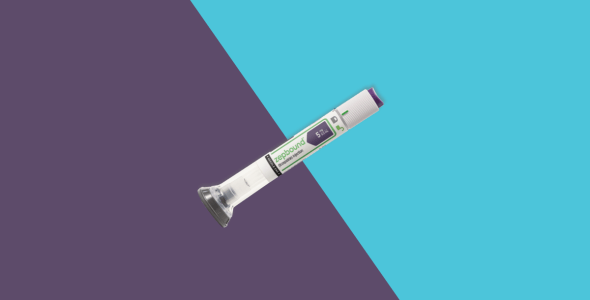
Zepbound is a subcutaneous injection that is approved by the U.S. Food and Drug Administration (FDA) for chronic weight management and obstructive sleep apnea (OSA). Understanding the Zepbound maintenance dose and working closely with your healthcare professional are very important to maintain your results and long-term success.
This article explains the Zepbound maintenance dose and effective strategies for keeping the weight off during the maintenance phase, and provides practical tips on how to navigate safely with Zepbound maintenance treatment.
Understanding obesity as a chronic condition
Obesity is a chronic health condition that is characterized by an excess of body fat that leads to metabolic, biomechanical, and psychosocial dysfunction.
When you lose weight, the body perceives it as a potential threat to survival. In response, hunger hormones like ghrelin increase, which signals your brain to eat more, while metabolism slows down, causing your body to burn fewer calories at rest and conserve energy. According to the set point theory, your body tries to stay at the weight it’s used to, which makes keeping weight off harder.
Zepbound (tirzepatide) is a prescription medication for chronic weight management and obstructive sleep apnea. This medication works by mimicking two key hormones in your body, GIP (glucose-dependent insulinotropic polypeptide) and GLP-1 (glucagon-like peptide-1). Zepbound reduces appetite and counteracts the rise in ghrelin that triggers hunger after weight loss. It also supports metabolism by improving metabolism and glucose regulation and lowering the body’s tendency to store fat. This makes it easier for patients to keep their weight off over time.
Obesity is a chronic health condition. Taking Zepbound for obesity long-term may also help manage hypertension and cholesterol levels in your body.
Understanding Zepbound’s role in weight management
Zepbound (tirzepatide) is a dual receptor agonist that targets GLP-1 and GIP receptors. The medication is administered subcutaneously. The most common injection sites are the abdomen, upper arm, and thigh. The medication mimics the activity of both hormones to suppress appetite, reduce gastric emptying, improve satiety signals, and increase insulin sensitivity. This dual action of Zepbound makes it more effective than older GLP-1 receptor agonist drugs such as semaglutide (Ozempic and Wegovy).
Zepbound is FDA-approved for chronic weight management in adults with a body mass index (BMI) of 30 kg/m² or higher (obesity), or 27 kg/m² or higher (overweight) when accompanied by at least one weight-related condition such as hypertension, type 2 diabetes, or high cholesterol. It is used along with a reduced-calorie diet and increased physical activity.
There are two phases in obesity treatment. These include:
1. Weight loss phase
In this phase, the medication actively reduces body weight when combined with a healthy diet and lifestyle. Clinical trials show that tirzepatide can reduce 20-25% of body weight when used consistently along with lifestyle changes.
2. Weight management phases
The maintenance phase begins when you have achieved your weight loss goals. Your doctor will recommend a maintenance dose in this phase to maintain weight loss results for the long-term. This is a biologically challenging phase because the body naturally tries to regain the lost weight by increasing hunger and reducing energy expenditure.
In the SURMOUNT-4 clinical trial, adults with obesity or overweight who used a maximum tolerated dose of Zepbound (10 mg or 15 mg) achieved a mean weight reduction of 20.9% of body weight after 36 weeks. Participants were then randomized to continue tirzepatide or switch to placebo for an additional 52 weeks. Participants who continued tirzepatide from week 36 to week 88 lost an additional 5.5% of their body weight, resulting in a total mean weight loss of 25.3% from baseline. In contrast, participants who switched to a placebo regained 14.0% of their body weight, leaving them with a net mean weight loss of 9.9% at week 88.
Tirzepatide (Mounjaro and Zepbound) is not simply a short-term “kickstart” for weight loss. It functions as a long-term tool that helps sustain weight loss. Clinical evidence shows that continuing treatment supports maintenance and further weight loss, while stopping therapy often leads to weight regain.
As the body naturally tries to regain weight after weight loss by increasing hunger and burning fewer calories, it makes it easier to regain weight. This is why you need a maintenance treatment to prevent weight regain. Obesity is a chronic condition that typically requires long-term management.
The transition from weight loss to the maintenance phase
After losing weight, your focus shifts from losing more weight to keeping it off. This is the maintenance phase. It starts when your targeted weight has been stable for several weeks, you’ve reached your personalized goal, and you’re tolerating your current medication dose well.
This phase also requires a mindset shift, moving from actively “losing” weight to sustaining your results through healthy habits and ongoing support. Timing the transition correctly is important because transitioning too soon can increase the risk of regaining weight, while transitioning too late can make it harder to adjust to long-term management strategies.
What is a Zepbound maintenance dose?
Zepbound is a once-weekly injection for weight loss. This weight loss medication is started at a low dose of 2.5 mg per week for the first 4 weeks. The Zepbound dosage is gradually increased by your doctor every 4 weeks. The maintenance dosage of Zepbound is 5 mg, 10 mg, or 15 mg per week, depending on how well you respond and tolerate it. The main goal of maintenance is to keep your weight off for a longer time.
Typical maintenance dose ranges
Typical maintenance doses of Zepbound range from 5 mg to 15 mg once weekly, based on results of clinical studies. Many patients continue with the dose that works best for them, while some may reduce the dose or frequency if they cannot tolerate it or are experiencing side effects.
The FDA-approved maintenance doses of Zepbound are 5 mg, 10 mg, and 15 mg. These doses are supported by clinical trials for their safety and efficacy. Therefore, any dose outside of these doses is considered off-label and should be used under the guidance of a healthcare provider.
Individual responses vary by patient. Some people achieve good results on 5 mg, while others need 15 mg to meet their goals. Doctors typically start the medication at a low starting dose to avoid side effects. The 2.5 mg dose is primarily a starter dose. However, healthcare providers recommend this dosage off-label as a maintenance dose in some cases.
Several factors can influence the maintenance dose. These include the following:
- The amount of weight you’ve lost: Your maintenance dose depends on how much weight you have lost. Greater weight loss may require a higher maintenance dose to help maintain the results, while smaller weight loss may need a lower dose. Your healthcare provider will determine the most appropriate dose for you.
- Current tolerance to medication: Your tolerance to medication also affects the maintenance dose. If you tolerate it well, your provider may continue or adjust the dose to maintain results, but if you experience side effects, they will adjust the dosage accordingly.
- Metabolic factors: Metabolic factors can also affect your maintenance dose. Some people have a slower metabolism, while others have a faster one, which can influence the dose needed to help maintain weight loss.
- Lifestyle changes: Your lifestyle and activity level can also affect your maintenance dose. If you have a sedentary lifestyle, you may need a higher maintenance dose. In contrast, if you are physically active, you may need a lower dose.
- Individual response to medication: Maintenance dose varies from person to person because everyone responds differently to medication.
- Presence of other health conditions: The presence of other health conditions, such as type 2 diabetes, heart disease, or kidney issues, can affect how your body responds to the medication and can influence the maintenance dose.
How maintenance dosing differs from weight loss dosing
The maintenance dosing differs from the weight loss dosing in the following ways.
| Weight loss phase | Maintenance phase | |
|---|---|---|
| Primary goal | Reduce body weight | Prevent weight regain |
| Dose trend | Typically increasing | Typically stable or reduced |
| Focus | Calorie deficit | Calorie balance |
| Monitoring frequency | Often monthly | May be less frequent |
The four pillars of successful weight maintenance with Zepbound
Maintaining weight loss with Zepbound isn’t just about reaching your goal. It also requires habits that keep your weight off for a longer time. The four pillars of successful weight maintenance with Zepbound are as follows:
1. Medication management
It is very important to take your medication as prescribed by your doctor to keep your weight off. Regular follow-up visits with your healthcare provider every 3-6 months are necessary to ensure safety and check the progress. Do not change the dose on your own, as adjusting it without your healthcare provider’s guidance can affect results or cause side effects. Your healthcare provider will also monitor the efficacy of the medication and check for any side effects during these visits to help you stay on track with long-term weight maintenance.
2. Nutrition for maintenance
When you reach your weight loss goal, the focus shifts from a strict calorie diet to balanced and healthy eating. Eat enough protein and fiber to support your metabolism. Continuing mindful eating habits like paying attention to hunger cues, portion sizes, and eating without distractions helps prevent overeating and supports long-term weight maintenance.
3. Physical activity commitment
Exercise is very important for maintaining weight and overall health. Focus on exercise for health, not just burning calories. Aim for 150-300 minutes of activity per week and include strength training to preserve muscle mass, which helps keep your metabolism strong and supports long-term weight maintenance.
4. Behavioral strategies
Good habits are key to keeping your weight off. Check your weight and habits regularly, learn ways to handle stress or emotional eating, and get support from family, friends, or professionals to stay on track.
Maintenance strategies: Beyond the weekly injection
The maintenance strategies beyond weekly injection are as follows:
Dose spacing vs. dose reduction
Some patients may transition from weekly injections to bi-weekly dosing under careful medical supervision. With bi-weekly dosing, you can inject Zepbound once every 2 weeks. This approach is considered off-label and should only be attempted with guidance from a skilled healthcare provider to ensure safety and efficacy.
Protein and strength training
It’s important to maintain lean muscle mass during weight loss treatment with Zepbound because it supports a higher basal metabolic rate (BMR). Take a high-protein diet and do regular strength training to preserve muscle mass, maintain body weight, and prevent regain during the maintenance phase.
The “maintenance mindset”
Successful maintenance means switching from eating fewer calories to eating enough to maintain your weight. Focus on balanced meals and healthy habits rather than continuing a low-calorie diet.
Navigating insurance and cost for long-term use
Navigating insurance and the cost of Zepbound for long-term weight management can be challenging, especially for weight-loss purposes. Many insurance plans do not cover Zepbound for weight loss, which may lead to denial.
Some insurance plans may cover Zepbound and require prior authorization (PA). However, coverage can still vary, and your doctor may need to provide records showing a medical need for the medication. Even when providing all documentation, denials may happen, and patients need to submit an appeal to get approval.
Eli Lilly and Company’s Zepbound Savings Card can reduce the out-of-pocket cost of Zepbound to as little as $25 per month. This card is intended for commercially insured patients and cannot be used by individuals enrolled in government-sponsored plans such as Medicare or Medicaid.
LillyDirect offers a self-pay option for Zepbound KwikPens and single-dose vials for up to $449 per month. This option is useful for patients without insurance coverage.
FAQs about Zepbound maintenance
How long will I need to stay on a maintenance dose?
The length of time you stay on a maintenance dose varies from person to person. Obesity is a chronic illness and requires long-term management, similar to the management of high blood pressure or hypercholesterolemia. Current research suggests that long-term use of Zepbound can be safe and effective for sustainable weight loss, but the exact duration varies by person. Factors such as your body’s response to the medication, how well you maintain lifestyle changes, and the presence of other health conditions all play a role in determining how long you will need ongoing treatment.
What happens if I stop Zepbound completely?
If you stop Zepbound completely, you may experience gradual weight regain. Clinical studies show that once the medication is discontinued, the body returns to its previous appetite and metabolic patterns, leading to a partial regain of lost weight over months. Healthcare providers may recommend tapering off the medication gradually rather than stopping abruptly, especially if you are on a higher dose. Tapering may help the body adjust and reduce the risk of abrupt changes in appetite or blood sugar.
Even after stopping the medication, healthy lifestyle changes are very important, such as a low-calorie diet, physical activity, and behavioral strategies. Patients who continue healthy habits tend to regain less weight than those who return to their previous habits.
Can I stop Zepbound once I reach my goal?
Yes, you can stop Zepbound once you reach your desired goal, but there’s a risk of weight regain because appetite and metabolism may return to previous levels. Therefore, maintaining a healthy diet and exercise habits or continuing at a lower dose can help keep the weight off.
Will my side effects go away in maintenance?
Yes, most side effects usually improve or go away during the maintenance phase as your body adjusts to Zepbound. Common gastrointestinal issues like nausea, abdominal pain and discomfort, stomach ache, diarrhea, and constipation usually reduce over time.
Can my maintenance dose change over time?
Yes, your maintenance dose can change over time. Doctors may adjust it based on your weight trends, side effects, or new health conditions. Life events, seasonal changes, or shifts in activity and diet can also influence dose needs. Your doctor may also recommend a “dose holiday” (a brief interruption), but this is done only under medical supervision.
Will I continue to lose weight on a maintenance dose?
Most people experience little to no additional weight loss on maintenance dose because the main goal of maintenance dose is weight stabilization. However, small additional weight loss may occur in some cases, especially if you improve your diet, exercise, or lifestyle habits. At this stage, success is often redefined as maintaining your achieved weight rather than continuing to lose significant weight.
What if I start gaining weight back on my maintenance dose?
If you start gaining weight on your maintenance dose, your doctor may consider dose escalation or a dose adjustment to help control weight regain. They may also review your diet, exercise, and lifestyle habits to identify areas for improvement.
Is it safe to stay on Zepbound for years?
Yes, Zepbound can be used long-term for weight maintenance, as it is FDA-approved for chronic weight management. However, always stay in touch with your doctor and have regular follow-up visits for continuous monitoring and safety. Your healthcare provider will evaluate your health condition and ensure the treatment remains effective.
Is the maintenance dose covered by insurance?
Insurance coverage of the maintenance dose can vary. After reaching your “goal weight,” some insurers may require prior authorization (PA) renewals to continue coverage. Manufacturer savings cards are also helpful for reducing out-of-pocket costs for commercially insured patients, but they cannot be used by individuals enrolled in government-sponsored plans like Medicare or Medicaid. Always check with your insurer and healthcare provider to confirm coverage for the maintenance phase.
What happens if you miss a Zepbound dose?
If a dose of Zepbound is missed, you should take it as soon as possible within 4 days (96 hours) of the missed dose. If more than 4 days have passed, the missed dose should be skipped, and the next dose should be taken on the regularly scheduled day.
Realistic expectations and monitoring your progress
When you are on maintenance dose, your weight may fluctuate within a small range (you may lose or gain 2-4 lbs), which is considered a healthy fluctuation. You should contact your doctor if you notice a consistent weight gain despite taking a maintenance dose regularly.
It is also important to track non-scale victories such as improvements in energy levels, better laboratory values (like blood sugar levels, HbA1c, and cholesterol levels), and increased strength or fitness. In addition, maintenance requires a psychological shift. The goal is no longer to lose weight, but to keep it off long term.
Potential challenges and solutions in the maintenance phase
You may face potential challenges in the maintenance phase of weight loss treatment with Zepbound. The potential challenges and solutions are:
Weight regain
Small fluctuations in weight are normal, but if you are experiencing a continuous upward trend, consult with your healthcare provider for medical advice. They may review your diet, exercise, and lifestyle habits to identify and adjust the dose if required.
Plateaus in weight stability
During maintenance, your weight may stay within a small range. You may not observe weight changes, which is normal. Stay consistent with healthy habits, strength training, adequate protein intake, and improving your overall health and wellness, rather than trying to keep losing weight.
Medication fatigue or complacency
Your motivation may decrease over time when you see no change in your weight. Therefore, set new health goals, improve your fitness, and track laboratory values to stay motivated and avoid slipping back to old habits.
Managing side effects long-term
It is common to experience side effects such as nausea, vomiting, diarrhea, and constipation while using Zepbound for weight loss. However, most side effects improve over time, but if they are consistent, consult with your healthcare provider. They may adjust the dose or prescribe you over-the-counter medication to manage these side effects.
Cost and access considerations
Insurance coverage may change, and prior authorizations may need renewal. Therefore, keep track of your coverage, eligibility for savings programs, and plan with your healthcare provider to renew the prior authorization before it ends to avoid disruptions in your treatment.
The conversation with your healthcare provider
It is important to have open communication with your healthcare provider. Follow these tips to prepare yourself for the maintenance phase discussion:
- Bring your weight logs to show trends over time
- Note any side effects you have experienced
- Prepare questions about dose options and adjustment
- Discuss how to keep your lifestyle habits sustainable long-term.
You can ask the following questions to your healthcare provider.
- What specific dose do you recommend for my maintenance?
- How often should we check in?
- What are our criteria for adjusting the dose?
- What to do if I skip a dose?
- How to manage side effects?
- What to do if I start regaining the lost weight?
- What labs should we monitor?
Conclusion: Stepping into the Zepbound maintenance phase
The Zepbound maintenance dose is an active phase of weight loss treatment. Maintaining your weight requires ongoing use of the medication in combination with healthy lifestyle habits, including a protein-rich diet, regular physical activity, and strength training. Celebrate the day you reach your weight loss goal, as this is the start of a new chapter in your life.
Maintenance is an act of self-care to help keep your weight off long-term. It’s important to stay connected with your healthcare provider to discuss your results, lab reports, and any side effects you may be experiencing so they can adjust your dose if needed or recommend over-the-counter options to manage these effects.
You can sustain your health gains and enjoy long-term well-being with consistent effort, healthy habits, and support from your healthcare team.