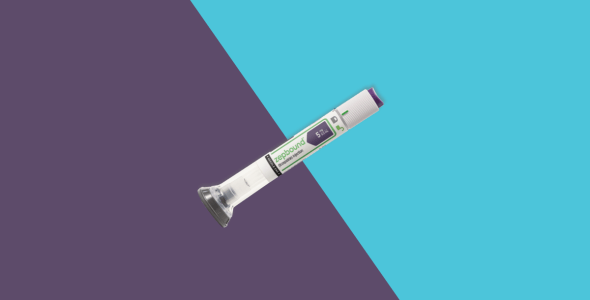
Zepbound vials: Dosage, costs, and administration
What are Zepbound vials? We'll explain how they work, their benefits, and what you need to know.
Key highlights
- Zepbound vials offer the same effective weight loss medication as the pens but at less than half the cost. You'll need separate needles and syringes to use them.
- Zepbound Vials can be purchased through LillyDirect for $299-$449 per month.
- Unlike the pens, Zepbound vials can't be covered by insurance, and are typically beneficial for self-pay patients without insurance coverage.
Zepbound (tirzepatide) is one of the most effective weight loss injections, with people losing up to 20.9% of their body weight in clinical trials.
Zepbound vials, a cheaper alternative to the pens, are now available directly from Eli Lilly through LillyDirect. If you’re looking for a budget-friendly option and don’t mind taking a few extra steps when self-administering the medication, Zepbound vials could be a great choice for you.
Keep the vials in the refrigerator and never freeze them. This helps the medication stay effective. Proper handling and storage will ensure you get the best results from your treatment.
It’s important to talk to your healthcare provider before choosing between Zepbound pens or vials. They can help you decide which option is best for you based on your medical needs, lifestyle, and budget.
Learn about Zepbound vials: Dosage, usage, costs, and how they compare to Zepbound pens. Get key details on this weight management medication and its administration.
What are Zepbound vials?
Zepbound vials have the same active ingredient, tirzepatide, as Zepbound pre-filled pens. Both are FDA-approved for chronic weight management in adults who are obese or overweight with at least one other weight-related condition (such as high blood pressure, high cholesterol, type 2 diabetes) and moderate-to-severe obstructive sleep apnea (OSA) in adults with obesity.
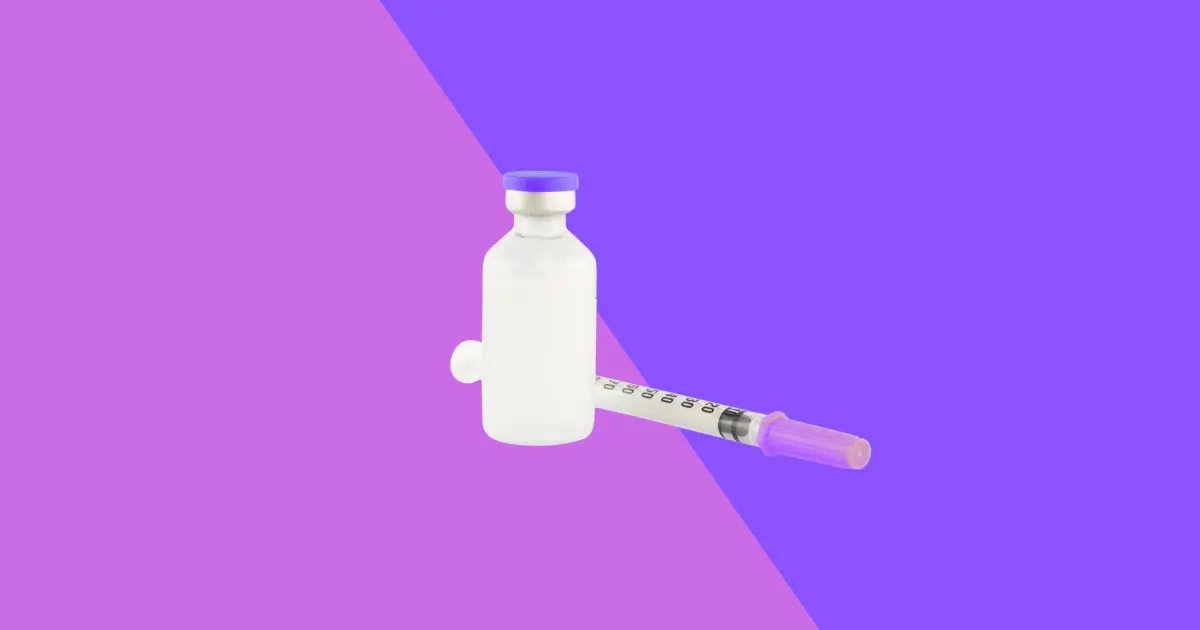
Like the pens, the vials are made by Eli Lilly and are used once a week. They come in six strengths like Zepbound Pens (2.5 mg, 5 mg. 7.5 mg, 10 mg, 12.5 mg and 15 mg) and each vial contains a single dose. LillyDirect provides four vials for the month. You need a separate syringe and needle to draw the medication from the vial and administer the medication.
Zepbound vials 2.5 mg and 5 mg were introduced in late August 2024 to help increase the availability of the medication. According to Eli Lilly, they cost “less than half the price” of the Zepbound autoinjector pens. The 7.5 mg and 10 mg doses were launched in February 2024.
Zepbound vials vs. pens
Zepbound vials and pens both have the same active ingredient (tirzepatide), which is a dual-action glucagon-like peptide-1 (GLP-1) and glucose-dependent insulinotropic polypeptide (GIP) agonist that helps control your metabolism. This means they work the same way and have similar side effects when used in the same dose. However, there are some important differences between the vials and pens.
- Dose strengths: Zepbound vials and pens come in the same doses: 2.5 mg, 5 mg, 7.5 mg, 10 mg, 12.5 mg, and 15 mg.
- Administration: With Zepbound vials, you need to use a separate needle and syringe to draw the medication yourself. Zepbound injector pens come prefilled with the medication and have a needle already attached.
- Cost: LillyDirect offers self-pay patients the same pricing for Zepbound vials and Zepbound pens. The prices are $299 per month for 2.5 mg (starting dose), $399 per month for 5 mg dose, and $449 per month for 7.5 mg, 10 mg, 12.5 mg and 15 mg doses.
- Insurance coverage: Zepbound vials are typically not covered by insurance and must be paid in cash. Zepbound pens may be covered by insurance, but coverage may vary by insurance plan.
- Savings eligibility: Zepbound vials have a fixed price of $299–$449 per month and cannot be purchased with coupons. However, if you have commercial insurance, you can use Zepbound coupons, like the official Zepbound Savings Card from Eli Lilly (if eligible) and receive Zepbound pens for as little as $25 for up to a 3-month prescription, or pharmacy discount cards from sites like SingleCare or GoodRx to help pay for Zepbound pens.
Zepbound vials vs. Zepbound pens
| Zepbound vials | Zepbound pens | |
|---|---|---|
| Dosage strength | 2.5 mg, 5 mg, 7.5 mg, 10 mg, 12.5 mg and 15 mg | 2.5 mg, 5 mg, 7.5 mg, 10 mg, 12.5 mg and 15 mg |
| Administration | Single-dose vials with seperate needle and syringe | Single-dose pre-filled pens with attached needle |
| LillyDirect self-pay costs | 2.5 mg - $299 per month 5 mg - $399 per month 7.5 mg - $449 per month 10 mg - $449 per month 12.5 mg - $449 per month 15 mg - $449 per month per month | 2.5 mg - $299 per month 5 mg - $399 per month 7.5 mg - $449 per month 10 mg - $449 per month 12.5 mg - $449 per month 15 mg - $449 per month per month |
| Insurance coverage | Sometimes, however coverage varies by plan | Sometimes, however coverage varies by plan |
| Savings card program | No | Yes, commercially insured patients can pay as little as $25 for up to a 3-month prescription |
| Purchase through coupon | No | Yes |
| Availability | LillyDirect and partners like Ro | Local and online pharmacies |
How to use Zepbound vials: Step-by-step administration guide
To use Zepbound vials, you’ll need to get your needle and syringe to draw the medication and give yourself a shot. These are not included with the vials and must be bought separately with a prescription. You should use a new needle and syringe every time you inject Zepbound.
Always follow your healthcare provider’s instructions and the directions that come with the medication. Here’s a general guide on how to use Zepbound vials:
- Gather your supplies and wash your hands with water and soap.
- Take off the plastic cap from the vial, but leave the rubber stopper in place.
- Clean the rubber stopper with an alcohol swab.
- Unwrap the syringe and needle, and attach the needle to the syringe if needed.
- Remove the needle cover by pulling it straight off.
- Hold the syringe with the needle pointing up and pull the plunger down to draw 0.5 mL of air into the syringe.
- Insert the needle through the rubber stopper on the top of the vial and push the plunger in.
- Turn the vial and syringe upside down, ensuring the needle is in the liquid. Slowly pull the plunger to draw medication until it goes past the 0.5 mL line. (If you see air bubbles, tap the syringe gently.)
- Slowly push the plunger up until the tip reaches the 0.5 mL line.
- Pull the syringe out of the vial.
- Choose where to inject (abdomen, thigh, or upper arm if someone else is giving the shot) and rotate the injection site each week.
- Insert the needle into your skin at the injection site.
- Push the plunger to inject the dose and keep it in for at least 5 seconds.
- Remove the needle and dispose of it, along with the syringe, in a proper sharps disposal container.
- If you see any blood at the injection site, dab it with gauze or an alcohol swab; don’t rub it.
Zepbound vials: Cost and availability
Each Zepbound vial has a single dose (single-dose vial), so you can easily ensure you’re getting the full dose.
A four-week supply of Zepbound vials includes four vials. Each vial contains a single dose. The 2.5 mg vials cost $299 per month, the 5 mg vials cost $399 per month, and the 7.5 mg, 10 mg, 12.5 mg and 15 mg vials cost $449 per month.
Zepbound requires a valid prescription from a licensed healthcare provider for an FDA-approved indication, such as treatment of chronic weight management.
This medicine is used along with a reduced-calorie diet and physical activity to:
- Help adults with obesity or overweight (and at least one weight-related health condition like high blood pressure, high cholesterol, type 2 diabetes, or heart disease) lose weight and keep it off long-term.
- Treat moderate-to-severe obstructive sleep apnea in people with obesity.
Insurance is not accepted, but you can use an HSA/FSA card to pay for the medication.
The choice between vials and pens depends on the patient’s preference, dosing needs, and specific medical needs. It’s important to talk with a healthcare provider to figure out which form of medication is the best option for you.
Zepbound vials vs. Zepbound pens
Zepbound vials
Pros
- Effective treatment: The vials contain the same active ingredient (tirzepatide) as the pens, offering the same weight loss benefits.
- Single dose per vial: Each vial contains a single dose, making it easy to manage and track your medication use.
- Availability: Zepbound single-dose vials can be purchased directly from Eli Lilly, offering easy access to the medication for those who need it.
Cons
- Requires additional supplies: You need to buy separate needles and syringes to administer the medication, which can be inconvenient.
- No insurance coverage: Zepbound vials are typically not covered by insurance, and you have to self-pay, making them less affordable for some people.
- More steps to administer: Using vials requires more steps to draw and inject the medication compared to pre-filled pens, which may be less convenient.
- Cash-only payment: Since the vials are not eligible for insurance or discounts, you must pay in full with cash.
- No savings card available: The Zepbound Savings Card can only be used for Zepbound pens and not for Zepbound vials.
Zepbound pens
Pros
- Convenience: Zepbound pens are pre-filled single-dose pens and have a needle attached, making them easy to use without needing extra supplies like syringes and needles.
- Insurance coverage: Zepbound pens are typically eligible for insurance coverage for FDA-approved indications, which can reduce out-of-pocket costs for insured patients.
- Ease of use: The pre-filled pens are simpler and quicker to use, with fewer steps involved in administration compared to vials.
- No need to measure doses: The pens are designed for precise dosing, eliminating the need for patients to measure the medication manually.
- Zepbound savings card: The cheapest way to get Zepbound is by using the Zepbound Savings Card. If you’re commercially insured with coverage for Zepbound, you can get Zepbound for as little as $25 for up to a 3-month prescription, if eligible. This card can lower the cost to as low as $25 for a 1-month, 2-month and 3-month supply for people with commercial insurance that covers Zepbound. If your insurance doesn’t cover it, the Savings Card limits the price to $499 for a one-month supply.
- Other savings options: If you’ve been prescribed a higher dose of Zepbound and don’t have insurance, there are still ways to save. Websites like SingleCare, GoodRx, and Optum Perks offer free discount cards that can lower the cost of your medication.
Cons
- Higher cost: When not purchased through LillyDirect, Zepbound pens can be significantly more expensive than vials, even with insurance coverage, making them less affordable for some patients.
- Insurance limitations: Although insurance may cover the pens, coverage can vary, and some plans may have high out-of-pocket costs or restrictions for weight loss medications like Zepbound.
- Potential for waste: Since each pen contains a fixed amount of medication, any unused portion may go to waste if the full dose isn’t needed.
Safety and side effects
Zepbound has side effects similar to other weight loss drugs like Wegovy or Ozempic (semaglutide). A 2023 study found that side effects from tirzepatide (the active ingredient in Mounjaro and Zepbound) may happen in the first 2 weeks after the first dose.
The most common side effects of Zepbound may include nausea, vomiting, diarrhea, constipation, abdominal pain, indigestion, and hair loss, especially when starting the medication or after a dose increase.
For most people, these side effects are mild and improve over time as your body adjusts.
In rare instances, Zepbound can cause serious side effects:
- Risk of hypoglycemia (low blood sugar)
- Changes in vision (diabetic retinopathy)
- Severe allergic reactions
- Acute kidney/gallbladder disease
- Acute pancreatitis (inflammation of the pancreas)
- Thyroid tumors/thyroid cancer (a lump or swelling in the neck, hoarseness, and trouble swallowing)
- Suicidal thoughts
Zepbound should not be given to people with a personal or family history of multiple endocrine neoplasia syndrome type 2 (MEN 2) or medullary thyroid carcinoma (MTC).
Zepbound may reduce the effectiveness of birth control pills. Your healthcare provider may suggest using a different form of birth control for 4 weeks after starting Zepbound and after each dose increase.
Let your healthcare provider know if you are or are pregnant or breastfeeding before starting treatment.
2026 updates
- Global availability: Zepbound (tirzepatide) is anticipated to receive regulatory approval in additional countries, including India, following a positive recommendation from India’s drug regulator expert committee.
- Pricing dynamics: In the U.S., state Medicaid programs face rising costs for GLP-1 drugs like Zepbound, leading to potential policy changes such as BMI requirements or mandating alternative treatments first.
- Medicaid state-level coverage: Some states are considering tighter restrictions on coverage for weight loss medications due to budget concerns, while others are ending coverage for state employees.
- Oral formulation: Researchers are developing oral versions of GLP-1 receptor agonists like tirzepatide to improve patient convenience.
How to store Zepbound vials
While storing Zepbound vials, follow these storage requirements:
Temperature requirements
- Store Zepbound vials in the refrigerator (36°F to 46°F or 2°C to 8°C).
- Don’t freeze the vials or use the medication if it was previously frozen.
Shelf life
- Check the expiration date on the vial before using it.
- If it’s expired, don’t use the medication.
Travel tips
- Keep the vials in a cooler with ice packs to maintain the right temperature.
- Avoid leaving them in hot or freezing environments.
How to buy Zepbound vials
Self-pay patients can get Zepbound vials through LillyDirect and Ro Pharmacy (partner for Eli Lilly) with a prescription from your licensed healthcare provider
If you have a prescription and want to buy through Eli Lilly, go to the LillyDirect website. After choosing “Zepbound” from the menu, you’ll see the NPI and NCPDP numbers you need to give to your healthcare provider so they can send your prescription to LillyDirect pharmacies:
- LillyDirect Self Pay Pharmacy Solutions
- NPI: 1689411712
- NCPDP: 3692539
Zepbound vials cost between $299 and $449 per month, depending on the dose you’re prescribed. These are the lowest prices for tirzepatide.
The 2.5 mg vials, which are usually given to those starting Zepbound, cost $349 for a four-week supply ($87.25 per vial each week). After using the 2.5 mg dose for at least four weeks, your doctor may increase your dose to 5 mg per week. The 5 mg vials cost $399 for a four-week supply.
LillyDirect also offers the 7.5 mg, 10 mg, 12.5 mg and 15 mg Zepbound single-dose vials for $449 per month.
Frequently asked questions
Can I reuse a Zepbound vial?
Zepbound vials are typically designed for single use and should not be reused. Reusing them can lead to contamination or inaccurate results.
What should I do if a Zepbound vial is damaged?
If a Zepbound vial is damaged, you should dispose of it safely according to the manufacturer’s guidelines. Then, use a new vial to ensure proper results.
Are there generic alternatives to Zepbound vials?
No generic alternatives to Zepbound vials are available on the market.
How do I dispose of used Zepbound vials?
Used Zepbound vials should be disposed of following the manufacturer’s guidelines or local disposal regulations. Typically, they should be placed in a designated medical or chemical waste container to ensure safe disposal.
Tips for maximizing weight loss with Zepbound vials
Here are a few tips to maximize weight loss with Zepbound vials:
- Always use the correct syringe to measure the dose.
- Check the vial for the right amount before injection.
- Don’t reuse needles or syringes.
- Store vials properly (in a cool place, away from heat or light).
- Don’t skip doses or change your dose without consulting your doctor.
Bottom line
Zepbound vials are more affordable than Zepbound pens, making this effective weight loss medication easier to access for people without insurance coverage for Zepbound.
Both Zepbound vials and pens contain a single dose of the medication. With vials, you need a separate needle and syringe, while pens come with a needle already attached.
Through LillyDirect, a four-week supply of the vials costs $299–$449. However, the vials are not covered by insurance, so they are ideal for self-pay patients without insurance coverage.
Talk to your healthcare provider to decide if vials or pens are the better choice for you.