Your guide to the Ozempic maintenance dose after weight loss
Staring at the scale after hitting your weight loss goal with Ozempic can bring a surprising new question: "What's next?"
Key highlights
- Ozempic is an FDA-approved GLP-1 medication that is used to treat type 2 diabetes in adults. Your healthcare provider may prescribe this medication off-label for weight loss.
- There is no single Ozempic maintenance dose for weight loss. The right maintenance dose varies by individual and ranges from 0.5 mg to 2 mg.
- Stopping the medication suddenly can cause weight regain. This happens because the medication stops to work, allowing hunger signals to return and the body returns to its previous state.
- Ozempic alone does not promote or maintain weight loss in the maintenance phase. The medication is used in combination with a balanced diet and a healthy lifestyle for weight loss.
- Consult with your healthcare provider before considering Ozempic for weight loss or changing the medication dose to ensure safety and prevent side effects.
Losing a significant amount of weight is a big achievement. Once you reach your target goal weight, a question may arise: What comes next? If you are using Ozempic for weight loss, you may feel uncertain after reaching your target and wonder what steps to take to maintain your weight. This is where the concept of maintenance dose comes in for weight management.
A maintenance dose refers to a lower or adjusted amount of medication that is used to keep your weight off when you have achieved your weight loss goal. The purpose of the maintenance dose is to support ongoing appetite regulation and metabolic balance while the body adapts to its new set point.
Individuals consuming Ozempic for weight loss may experience “Ozempic anxiety,” the fear that once Ozempic is stopped, the lost weight will return immediately. A maintenance dose combined with consistent lifestyle habits such as balanced nutrition and regular physical activity plays an important role in preventing weight regain. The maintenance phase is a separate and essential phase of the weight loss journey.
This guide explores the concept of a maintenance dose of Ozempic after weight loss, the science behind it, and the role of lifestyle habits to help you understand how to stay at your target weight safely and affordably, and how to work with your healthcare provider.
Understanding the maintenance dose for Ozempic
Ozempic is an FDA-approved GLP-1 receptor agonist commonly used to treat type 2 diabetes in adults, lowering the risk of cardiovascular diseases, and preventing kidney failure in patients with chronic kidney disease and type 2 diabetes. Your healthcare provider may prescribe Ozempic off-label for weight loss. When patients start considering the maintenance dose of Ozempic for weight loss, it is important to remember that there is no single FDA-approved maintenance dose for weight loss, unlike with type 2 diabetes. The maintenance dose is typically personalized by your healthcare provider based on your body’s tolerance.
The maintenance dose is the lowest effective dose that helps you maintain your new weight and prevent weight regain. The goal of maintenance therapy is not to remain on the highest possible dose, but to find the lowest dose that keeps weight stable and supports long-term habits such as balanced eating, regular physical activity, and good sleep.
Maintenance vs. treatment dosing: What’s the difference?
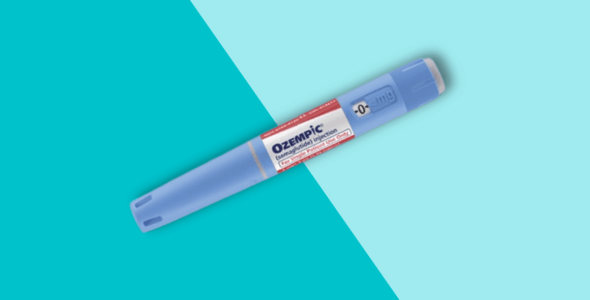
Ozempic is a once-weekly injectable GLP-1 medication that is administered subcutaneously (under the skin). The common injection sites include the abdomen, upper thigh, and upper arm. The maintenance phase is administered as a once-weekly injection, just like during the regular treatment phase.
During the treatment phase, your doctor starts treatment with the lowest therapeutic dose of Ozempic (0.25 mg) and gradually increases the dose over time. This gradual adjustment helps your body adapt to the medication and reduces the risk of common side effects. The primary goal of this phase is to support weight loss and help manage blood sugar levels.
During the maintenance phase, the injection routine stays the same, but the goal shifts from losing weight to maintaining a stable weight. Therefore, instead of continuing to increase the dose, your healthcare provider may adjust it to find the lowest effective dose that helps maintain your weight and prevent regain with minimal side effects.
The science of the maintenance phase
Ozempic is a glucagon-like peptide 1 receptor agonist (GLP-1). The medication mimics the activity of the natural hormone GLP-1 (glucagon-like peptide-1), which helps regulate appetite and blood sugar levels. When semaglutide activates GLP-1 receptors in the brain and digestive system, it increases feelings of fullness (satiety), slows gastric emptying, and reduces hunger signals. Reduced food intake helps reduce body weight.
You can not just stop the medication because there is a risk of weight regain. In the STEP 1 clinical trial, participants who received semaglutide experienced significant weight loss after a 68-week treatment period. Individuals taking semaglutide lost an average of 17.3% of their body weight, compared with the placebo group, which lost 2.0% of their body weight. However, it was shown that when the medication was discontinued, participants in the semaglutide group regained an average of 11.6% of the weight they had lost within one year despite maintaining lifestyle changes. These findings show that semaglutide can lead to significant weight loss during treatment. However, ongoing treatment or long-term management may be needed to maintain the results.
The reason behind weight regain after stopping the medication is metabolic adaptation. When you lose weight, your body naturally tries to return to its previous weight, often referred to as the body’s “set point.” After weight loss, hunger hormones may increase, metabolism may slow, and the body may start to conserve energy. These biological changes can make it easier to regain lost weight over time. Maintenance doses of Ozempic can help counter these effects by regulating appetite and metabolic signals to maintain weight loss long term.
The main role of GLP-1 medications during the maintenance phase is to help control “food noise”. The medication helps you feel full for longer and maintain satiety signals even after the active weight loss period ends. The maintenance phase focuses on stabilizing the body’s new weight and supporting healthy lifestyle changes.
Finding your “lowest effective dose.”
There is no single standard maintenance dose for Ozempic in weight management. Ozempic is FDA-approved for managing type 2 diabetes in adults and is commonly used off-label for weight loss. Typical maintenance doses of Ozempic are 0.5 mg or 1.0 mg per week, but the ideal dose varies from person to person. Your healthcare provider will determine the most appropriate dose based on your weight stability, appetite control, and overall response to the medication.
When you reach your target goal weight, your doctors may gradually reduce the dose to determine the lowest dose that keeps your weight off. For example, someone taking 2.0 mg weekly may step down to a 1.0 mg dose and monitor how their body responds. This gradual Ozempic dosage adjustment is called titration down, which helps identify a lower dose that can maintain results.
Your maintenance dose is considered effective if your body weight remains stable for about 4-6 weeks, with manageable or minimal side effects and a controlled appetite without strong food cravings. The ultimate goal of maintenance dosing is to maximize treatment benefits while minimizing costs and side effects.
What is a typical Ozempic maintenance dose?
There is no FDA-approved maintenance dose of Ozempic injections for weight loss, as it is used off-label for this purpose. Ozempic is only FDA-approved for managing type 2 diabetes. The maintenance dose may range between 0.5 mg and 2 mg for type 2 diabetes. However, maintenance dosing for weight management is individualized based on factors like weight stability, appetite, and side-effect tolerance.
The FDA-approved dosing regimen
The official FDA-approved Ozempic doses include the following:
Starting dose:
Your doctor will start Ozempic with the lowest therapeutic dose of 0.25 mg once weekly for the first 4 weeks to help your body adjust and avoid the risk of gastrointestinal side effects.
Titration phase:
Your doctor will evaluate your response and tolerability every 4 weeks and gradually increase the dose when needed. A typical schedule is as follows:
- Weeks 1–4: 0.25 mg once weekly
- Weeks 5–8: 0.5 mg once weekly
- Weeks 9–12: 1 mg once weekly, if the previous dose is well tolerated
- Weeks 13–16 and beyond: If additional blood sugar control is needed, the dose may be increased to 2 mg once weekly
Maintenance dose:
For most people, 1 mg once weekly is considered an effective maintenance dose.
Maximum dose:
The highest recommended dose of Ozempic pen is 2 mg once weekly for type 2 diabetes.
The Ozempic doses for weight management are often the same as those for type 2 diabetes mellitus.
What maintenance dose do most people take?
In clinical practice, the maintenance dose is often the dose at which you achieved your goal weight or successfully managed plateaus. Many individuals remain on a weekly dose between 1.0 mg and 2.0 mg, depending on factors such as appetite control, side effects, and weight stability.
Not everyone takes the same maintenance dose, as it typically depends on an individual’s tolerance, weight loss goals, metabolism, and comorbid conditions. Consult your doctor before starting a maintenance dose of a weight-loss medication. They will assess your health condition, review your medical history, check your body mass index, and create a personalized treatment plan to help you avoid weight regain. Your provider will continuously assess whether the prescribed maintenance dose is effective and adjust the dosage accordingly.
Can you reduce your dose for maintenance?
For some individuals, it may be possible to reduce the maintenance dose of Ozempic while still maintaining weight stability. However, lowering the dose may cause an increased appetite or gradual weight regain. Therefore, always consult with your healthcare provider before making any changes in your dose to ensure safety and overall wellness.
Ozempic vs. Wegovy: Dosing differences for maintenance
Ozempic and Wegovy both contain the same active ingredient, semaglutide. While Ozempic is FDA-approved for managing type 2 diabetes in adults, Wegovy is specifically approved for chronic weight management and prevention of various cardiovascular events. However, your healthcare provider can prescribe Ozempic for weight loss (off-label) if medically appropriate.
The mechanism of action for both Ozempic and Wegovy is the same, but they have different dosing schedules. As a result, the maintenance doses may vary. Ozempic is typically used at doses up to 2.0 mg per week for weight management, while Wegovy’s maintenance dose can reach up to 2.4 mg per week. The exact doses for either medication are individualized based on factors such as weight stability, appetite control, body tolerance, and side effects.
Some insurance plans may cover treatment during active weight loss but not for ongoing maintenance, which can make continuing long-term treatment more expensive. Patients often need to work with their healthcare provider and insurance company to navigate coverage for maintenance therapy.
Strategies for long-term success
Ozempic is a powerful GLP-1 medication that helps regulate blood sugar levels and supports weight loss when used off-label. However, it is not a magic solution and requires long-term management. While the medication helps control appetite and increase feelings of fullness, maintaining weight-loss results depends on sustainable lifestyle habits, such as a balanced diet, regular exercise, sufficient sleep, and effective stress management.
The “spacing out” method
Some healthcare providers are exploring an off-label Ozempic microdose strategy known as dose spacing, in which injections are given less frequently, such as every 10 or 14 days instead of weekly. This approach may help maintain appetite control while lowering medication use and cost. However, this method should only be attempted under medical supervision, as it is not part of the standard prescribing guidelines.
Prioritizing protein
Adequate protein intake is important during the maintenance phase to preserve muscle mass after weight loss. You should aim for approximately 0.8-1 grams of protein per pound of lean body mass to preserve your muscle mass.
Strength training
Strength training plays a key role in maintaining weight loss because it helps preserve or build muscle mass, which supports metabolism. Try strength training to build stronger muscles that help the body burn calories more efficiently and improve metabolism.
Exercise you enjoy and can sustain
During maintenance, the focus changes from intense weight-loss workouts to regular and manageable activity that keeps you healthy. Incorporate healthy activities like walking, cycling, or other exercises to maintain your body weight and stay active over the long term.
Sleep, stress, and hydration
Lifestyle factors such as sleep, stress, and hydration also influence weight maintenance. Poor sleep and chronic stress can affect hunger hormones and increase cravings. Adequate hydration supports metabolism and overall health. Drink plenty of water, sleep for 8-9 hours daily, and practice stress management techniques to maximize the benefits of semaglutide.
Ozempic maintenance dose FAQs
Will I gain the weight back if I stop Ozempic completely?
Clinical trials show that most people experience weight gain after stopping Ozempic completely. This happens mainly due to biological changes in the body. The medication helps reduce appetite, increase feelings of fullness, and slow digestion. Once it is stopped, these effects gradually wear off, which can lead to increased hunger and reduced satiety, resulting in high calorie intake and weight regain.
How long will I need to stay on a maintenance dose?
Weight management with Ozempic is often considered a long-term or chronic process, similar to managing other chronic medical conditions like hypertension. Some people may need to stay on a maintenance dose for months or even years to help keep their weight stable. However, the exact duration depends on individual goals, response to the medication, and lifestyle habits.
What if I hit another plateau during maintenance?
It is common to experience a plateau while on an Ozempic maintenance dose. If your weight remains consistent and isn’t changing, it’s important to review your lifestyle habits, including diet, exercise, and hydration, as even small adjustments can make a difference. If your weight still does not change despite these lifestyle improvements, consult your healthcare provider, who may adjust your maintenance dose based on your body’s response and tolerance.
Are side effects different on a maintenance dose?
It is common to experience side effects such as nausea, vomiting, diarrhea, constipation, and bloating while taking Ozempic for weight loss, especially during the dose escalation. Other side effects of Ozempic include pancreatitis, gallstones, diabetic retinopathy, and low blood sugar levels (when combined with other glucose-lowering drugs such as insulin and sulfonylurea). However, it’s important to stay vigilant and report any new or worsening symptoms to your healthcare provider. They will adjust the dose or prescribe you supportive medications to ensure safety and comfort.
How do I talk to my doctor about finding my maintenance dose?
It is best to keep your conversation simple and clear while discussing the maintenance dose of Ozempic with your healthcare provider. You can say, for example: I have reached my desired body weight. Can we discuss the long-term maintenance plan, including the maintenance dose and follow-up schedule? Additionally, discuss any side effects that you experience while taking Ozempic.
Will I have to stay on Ozempic forever?
Obesity is considered a chronic, long-term condition like hypertension or type 2 diabetes and requires ongoing management. It is important to stay on Ozempic for an extended period to help maintain weight and appetite control, as the body naturally regains lost weight when the medication is stopped. However, some individuals may maintain their weight through sustainable lifestyle habits alone, while others may benefit from long-term or even indefinite use of the medication as part of a comprehensive weight management plan. Ultimately, the decision depends on your health goals, response to the medication, and guidance from your healthcare provider.
Can I switch to a cheaper alternative like Compounded Semaglutide for maintenance?
It is important to consult with your healthcare professional before switching from Ozempic to another medication for maintenance, such as compounded semaglutide. Compounded semaglutide is not reviewed by the FDA for its safety and efficacy. Your healthcare provider will determine whether compounded semaglutide is appropriate for you. Compounded semaglutide may be a useful option when personalized dosing that is not commercially available is necessary for the patient.
What happens if I miss a dose?
If you miss a dose of Ozempic, you can take the missed dose within 5 days of your scheduled injection. This is often called the “5-day rule.” If more than 5 days have passed, skip the missed dose and take your next injection on your regular scheduled day. Do not take two doses at the same time to make up for a missed dose. If you miss doses frequently or are unsure what to do, contact your healthcare provider for guidance.
Does the ‘food noise’ come back immediately?
Food noise does not typically return immediately after stopping the medication. Ozempic stays in your system for several weeks, and its appetite-suppressing effect fades gradually. When the level of the drug begins to decline in your body, the hunger signals and food cravings can return and may cause weight gain. The timing and intensity vary from person to person, depending on factors such as dose, duration of use, and individual metabolism.
Who should not take Ozempic?
Ozempic is contraindicated for the following patients:
- Those who are allergic to semaglutide or any of the ingredients.
- Patients with a personal or family history of medullary thyroid carcinoma (MTC).
- Patients with a history of Multiple Endocrine Neoplasia syndrome type 2 (MEN 2)
Working with your healthcare provider
It is important to have regular follow-ups with your healthcare provider, even if you are on the maintenance dose. Many doctors recommend quarterly follow-ups, which may include weigh-ins, routine lab tests, and discussions about appetite, side effects, and overall health. These visits help the provider ensure the medication is still working effectively, monitor blood sugar and metabolic markers, and determine whether your maintenance dose needs adjustment.
Discuss your concerns openly with your healthcare provider while taking Ozempic. If you feel your current dose is too strong, are experiencing side effects, or want to explore a lower dose or a different injection schedule, discuss these concerns with your provider during your appointment. Have an open conversation about your treatment plan, concerns, and how you are feeling on the medication. Your provider will make the appropriate adjustments accordingly.
Building your personalized maintenance plan
A successful maintenance plan with Ozempic involves a structured and collaborative approach with your healthcare provider. This plan mayinclude:
- Schedule the maintenance conversation: Set up an appointment with your doctor to discuss long-term weight management goals and strategies once you’ve reached your target goal weight.
- Collaboratively review your data: Bring weight logs, dietary records, and notes on any side effects you are experiencing, so your provider can assess your progress and needs.
- Set a maintenance weight range: Set a maintenance weight range instead of focusing on a single number (e.g., within ±5 lbs of your goal weight) to allow for natural fluctuations.
- Establish a dose and monitoring plan: Determine the appropriate maintenance dose with your provider and schedule regular follow-ups, initially monthly and then quarterly.
- Create a lifestyle sustainability audit: Review your habits, including diet, exercise, sleep, and stress management, to identify areas that need improvement for long-term success.
- Plan for follow-up and adjustments: Schedule regular follow-ups with your doctor to monitor progress and adjust your dose if needed.
Conclusion: Preparing to transition to your Ozempic maintenance dose
Reaching your weight loss goal is a major milestone, and entering the maintenance phase should be considered as a victory rather than a challenge. The maintenance phase is not the end of your journey. Think of it as the next chapter of long-term health and stability. This phase focuses on maintaining the weight that you have lost.
Maintaining results often requires a balanced approach that combines a personalized plan with sustainable lifestyle habits. An appropriate maintenance dose of Ozempic, along with healthy nutrition, regular physical activity, good sleep, and stress management, can help support long-term weight stability. It is important to work closely with your healthcare providers. They will monitor your progress, adjust the dose if necessary, and address your concerns.
You have already succeeded. Now it is simply about fine-tuning the system for the long term, so you can maintain your progress, support your overall health, and move forward with confidence.