Ozempic vulva: Why weight loss can change vulvar appearance
Noticing changes in your intimate area after starting Ozempic? Here’s what “Ozempic vulva” really means and why it happens.
Key highlights
- Some women are talking about “Ozempic vulva” or “Ozempic vagina,” referring to unexpected intimate changes noticed while using Ozempic or other GLP-1 weight-loss drugs.
- These changes may include looser skin, vaginal dryness, and weaker pelvic floor muscles.
- Experts believe these unexpected side effects are mainly due to rapid weight loss, not the medication itself.
- Treatments like pelvic floor therapy, lubricants, and topical estrogen can help manage these symptoms.
You’ve probably heard people talk about “Ozempic face” and “Ozempic butt.” But there’s another change linked to rapid weight loss from Ozempic and other GLP-1 medications that women are only now starting to discuss, and it’s a very personal one.
The term “Ozempic vulva” has begun appearing in online spaces like Facebook groups and Reddit threads. It refers to changes some women notice in their genital area after losing a significant amount of weight on medications such as Ozempic, Wegovy, or Mounjaro. Things may feel looser, look slightly different, or there may be new dryness or discomfort.
It can feel awkward or even embarrassing to talk about these changes, but they are real and linked to the biology of rapid weight loss. Many women experience similar concerns, even if they don’t openly discuss them.
Worried about “Ozempic vulva”? Let’s have a look at why these changes can happen, the common symptoms to look out for, and the practical medical and lifestyle steps that can help manage them.
What exactly is “Ozempic vulva”?
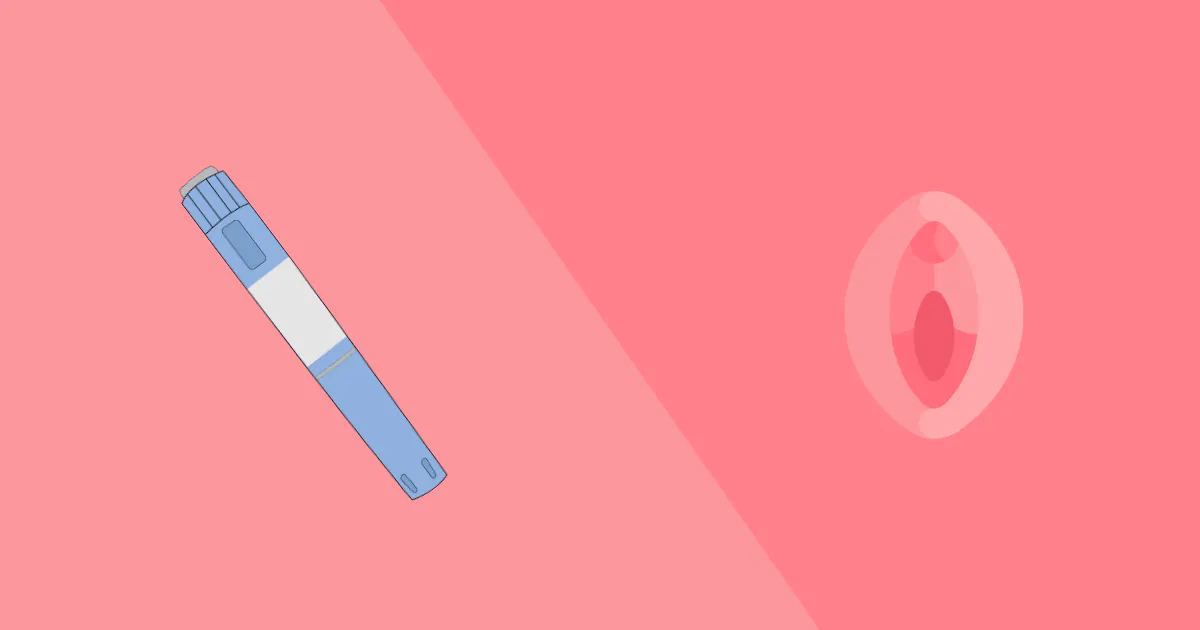
The vulva refers to the external or outer parts of the female genitals. People often use the word “vagina” for this area, but that is not correct. The vagina is actually the internal muscular canal that connects the uterus to the outside of the body and is usually not visible.
The vulva includes the openings of the vagina and urethra, the surrounding glands, the clitoris, and the inner lips called the labia minora and outer lips called the labia majora. It also includes the mons pubis, which is the soft, rounded area above the pubic bone where pubic hair usually grows.
The mons pubis and labia majora contain natural fat pads. These fat pads act like cushions, helping protect the area and giving it shape and support.
GLP-1 medications are the most popular and trending medications right now. They were first used as a diabetes medication, but later people found that they can also help with significant weight loss.
Studies show that semaglutide injections can lead to notable weight loss over a few months, which is why many people, including celebrities, talk about them as powerful weight-loss drugs.
However, some users have reported unexpected changes, including dryness, loose skin, or weaker muscles in the vulvar area, and sometimes more vaginal discharge. The term “Ozempic vulva” is being used informally to describe these symptoms, but it is not an official medical diagnosis in women’s health.
“Ozempic vulva” is not a medical diagnosis. It is a colloquial (informal) term used to describe the vulvovaginal changes, such as sagging, tissue thinning, or dryness, that some people notice while using GLP-1 medications like Ozempic, Wegovy, or Zepbound.
Similar to the phrase “Ozempic face,” it simply describes physical changes in the external female genital area (the vulva) that may occur after rapid weight loss associated with GLP-1 therapy.
Experts note that these changes are not a direct side effect of the drug itself. Instead, they are usually a result of rapid and significant weight loss that happens with these medications.
GLP-1 medicines can lead to weight loss throughout the body. When fatty tissue is lost quickly, it also affects fat pads in areas such as the mons pubis and labia majora. When you lose fat quickly, the skin and supporting tissues don’t shrink at the same speed. As a result, the skin can lose elasticity and may look loose or saggy.
Loss of this cushioning fat can make the vulvar area appear looser, thinner, or slightly “deflated,” and may contribute to dryness or reduced soft tissue fullness.
Why does rapid weight loss affect this area so much?
GLP-1 agonists like Ozempic are prescription medications that copy the action of a natural hormone called glucagon-like peptide-1, which helps control blood sugar levels and reduce appetite, thus inducing weight loss.
A study found that people with obesity who took weekly semaglutide lost about 15% of their body fat in a little over a year, with an average weight loss of around 34 pounds.
The rate of weight loss with GLP-1 medications can differ from person to person. It depends on factors like the dosage strength, current weight and body composition, overall health, existing medical conditions, and lifestyle habits.
While reaching an ideal weight is important, rapid weight loss can lead to skin sagging, looseness, and wrinkles because the skin doesn’t have enough time to adjust. These visible changes can appear across the body, including the lower abdomen, pubic mons, and the inner and outer labia.
Rapid weight loss reduces the natural fat pads in the vulvar area. This can lead to less volume and make the skin look looser or less full.
Weight loss and lower calorie intake can affect collagen levels. Since the vulvar skin is delicate, less collagen can cause thinning and reduced elasticity.
Fat tissue helps produce estrogen. When fat is lost quickly, estrogen levels may drop slightly, which can lead to dryness and thinning of the tissues, similar to mild menopausal-like changes, even in younger women.
Common symptoms and concerns
While Ozempic does not directly cause menopause-like symptoms, some women may notice that their existing vaginal or vulvar symptoms feel more noticeable because of the changes and side effects that can happen with this medication.
Appearance
- Loss of fullness in the labia majora, which can make the area look “deflated.”
- Flattening of the mons pubis (the soft area above the pubic bone).
- Loose, wrinkled, or sagging skin in the pubic mound.
- Sagging or stretched appearance of the outer lips (labia majora).
- The inner lips (labia minora) may look more prominent because of reduced natural padding around them.
Physical discomfort
- The skin may rub against clothing, causing redness or discomfort.
- Leggings or tight gym wear may feel more irritating than before.
- Decreased laxity of skin may make this more noticeable in tight outfits.
- Vaginal dryness can cause discomfort during sex or even during daily activities.
- Less natural padding may make sitting, walking, or exercising uncomfortable.
- In some cases, changes in tissue support may slightly affect the urethra, leading to mild urinary symptoms.
- Less padding in the vulvar area can cause discomfort during physical activity, intimacy, or when wearing tight clothing.
- Some women may feel more aware or worried about changes in appearance or signs of aging in the intimate area.
Internal changes
- Vaginal dryness and itching.
- More frequent yeast infections or bacterial vaginosis (BV).
- A feeling of heaviness in the pelvic muscles or occasional urinary leakage.
Why does it happen? The science behind
Here are a few reasons some women may notice intimate area changes while taking Ozempic:
Loss of structural fat
When you lose weight quickly, your body reduces fat from many areas, not just the stomach or thighs. The vulva also contains subcutaneous fat (fat under the skin) that gives it natural fullness and support.
As this “structural fat” decreases, the area may look less plump and feel looser. This is a normal effect of overall fat loss rather than a direct problem with the medication itself.
Hormonal changes
Rapid weight loss with GLP-1 medications can also affect hormones, especially estrogen. Since fat cells help produce and store estrogen, losing a lot of fat may lower estrogen levels in the body.
Estrogen helps keep vaginal tissues thick, supports natural lubrication, and maintains a healthy pH balance. When estrogen levels drop, it can lead to vaginal dryness, irritation, and changes in discharge.
Hormone changes can also cause normal variations in discharge during the menstrual cycle, such as thicker, egg-white-like mucus at one time and whiter discharge at another. These changes are usually normal and not a cause for concern.
Microbiome disruptions
GLP-1 medications like Ozempic can affect the balance of healthy bacteria in both the gut and the vagina. These drugs slow digestion, which can change gut movement, reduce appetite, and alter the gut microbiome.
A 2023 study suggests these medications can slow stomach emptying by more than one-third. This reduced gut movement can lower hunger and food intake, which may significantly affect the balance of bacteria in the gut microbiome.
Gastrointestinal side effects associated with Ozempic and similar medications ike nausea, vomiting, and diarrhea, may also cause dehydration, further disturbing this bacterial balance.
The gut and vaginal microbiomes are connected through the “gut–vagina axis.” This means that when the gut bacteria are affected, the vaginal bacteria can change as well. As a result, there may be an imbalance between good and harmful bacteria in the vagina, which can increase the risk of infections such as bacterial vaginosis or yeast infections and may also cause changes in vaginal odor.
Pelvic floor muscle wasting
Weight loss with Ozempic is not only due to fat loss. Some muscle loss can also happen. Research shows that people taking semaglutide may lose more fat-free mass (muscle) compared to those not using the medication.
A 2021 review found that people with type 2 diabetes taking semaglutide lost more fat-free muscle compared to those taking a placebo.
Rapid loss of weight and muscle mass can affect the pelvic floor muscles, which support organs like the uterus, vagina, bladder, and rectum. Weakening of these muscle tone may lead to symptoms such as urinary leakage, frequent urination, pelvic organ prolapse, or a feeling of vaginal looseness, and may also affect sexual function.
These problems are not common in most people of reproductive age, but they may be more likely in those with a history of pelvic floor issues or pelvic surgeries. In such cases, medical advice should be taken before using these medications.
Some women may notice other vulvar and vaginal changes while using these medications. These can include:
- Changes in vaginal discharge (texture or color)
- Changes in vaginal odor
- Reduced natural lubrication
- Higher chances of vaginal infections
- Loss of fullness in the pubic mound and vulvar area
- Weaker pelvic floor muscles
- Changes in menstrual cycles
- Symptoms linked to a weak pelvic floor (like heaviness or leakage)
- Thinning of the inner or outer labial skin
Is it Ozempic vulva or something else?
Sometimes these changes may not be due to weight loss alone. It’s important to rule out other medical conditions, especially if you notice warning signs like pain, sores or lesions, unusual bleeding, severe itching, or burning.
Some conditions can look similar but need different care.
- Lichen sclerosus: A skin condition that causes white patches and intense itching and requires specific treatment.
- Genitourinary Syndrome of Menopause (GSM): A common postmenopausal condition that causes dryness and thinning, but it is mainly due to hormonal changes.
- Infections: Yeast infections or bacterial vaginosis should also be ruled out.
If you are experiencing pain, itching, burning, or unusual changes, it is important to see a gynecologist to properly diagnose the cause and receive treatment.
If you have urinary symptoms like leakage or pelvic heaviness, a urogynecologist may help. For appearance-related concerns or treatment options, a board-certified plastic surgeon or aesthetic gynecologist can guide you.
Treatment and management options
The good news is that there are simple steps you can take to support the health of your vagina and vulva while using Ozempic or any other semaglutide products.
At-home care and lifestyle adjustments
- Gentle cleansing: Use mild, fragrance-free cleansers. Avoid harsh soaps and fragrances that can irritate or dry the vulvar skin.
- Moisturizers and barriers: Apply vulva-safe moisturizers or a thin layer of petroleum jelly to keep the skin soft and reduce friction or chafing.
- Stay hydrated: Drink enough fluids and include electrolytes if needed, as good hydration supports overall tissue health.
- pH-balanced skincare: Choose gentle, pH-balanced, and hormone-free moisturizers made for intimate areas to maintain comfort and moisture.
- Focus on good nutrition: Eat enough protein and foods that support collagen (like fruits, vegetables, nuts, and seeds) to help maintain skin elasticity.
- Pelvic floor training: Practice pelvic floor exercises (Kegels) regularly to keep the muscles strong and supportive during weight management.
- Clothing choices: Wear breathable cotton underwear and avoid very tight jeans or leggings if you notice irritation or discomfort.
- Use lubrication: During intimacy, using a good-quality lubricant can help reduce dryness and make sex more comfortable.
- Include prebiotics and probiotics: Eating foods rich in prebiotics and probiotics can help support a healthy vaginal microbiome and may lower the risk of some vaginal infections.
Non-invasive medical treatments
- Topical estrogen: You can use a low-dose prescription cream that is applied locally to improve tissue thickness, moisture, and comfort. It works only in the applied area and is not the same as full-body hormone replacement therapy.
- Hyaluronic acid fillers (labia puffing): Injectable dermal fillers can restore lost volume in the labia majora or mons pubis. Results are temporary (usually lasting months to a year) and can be costly, but they help improve fullness and appearance.
- Platelet-rich plasma (PRP): This treatment uses your own blood platelets to improve tissue quality and healing. It may help with firmness, sensitivity, and overall tissue health.
- Radiofrequency (RF) or laser therapy: These treatments use controlled heat or light energy to stimulate collagen production, which can help tighten and rejuvenate the skin. Multiple sessions are usually needed for the best results.
- Energy-based devices: They work by boosting collagen and improving skin elasticity, which may reduce looseness and improve texture over time.
Surgical options
- Labiaplasty/vulvoplasty: Surgery to reduce excess or elongated labial tissue and improve comfort or appearance.
- Fat grafting: Fat is taken from another body area and transferred to the labia majora or mons pubis to restore volume. This option is more long-lasting than fillers.
- Monsplasty: A procedure that tightens and lifts the skin of the mons pubis to improve contour and firmness.
Hormonal options
Low-dose vaginal estrogen creams are often prescribed to treat ongoing dryness, irritation, and thinning of the vaginal tissues. These creams work locally in the genital area to improve moisture, thickness, and elasticity of the tissue, and they do not act like full-body hormone replacement therapy.
Common prescription options include Estrace, Premarin, and vaginal estrogen tablets like Vagifem or Imvexxy. These treatments are generally considered safe for long-term use under medical guidance because the hormone absorption into the bloodstream is minimal.
How to avoid Ozempic vulva
Here are a few steps that you can take to prevent Ozempic vulva while taking the medicine:
- Slow and steady weight loss: If possible, aim for gradual weight loss rather than very rapid loss. This gives your skin more time to adjust and may reduce looseness.
- Strength training: Regular strength or resistance exercises help build muscle and improve overall body support. While they don’t directly target the vulva, they can help maintain better body composition during weight loss.
- Adequate protein intake: Eating enough protein is important for collagen production and skin health. This can help support skin elasticity and reduce some of the visible changes that come with rapid weight loss.
- Hydration: Dehydration can worsen vaginal dryness, irritation, and discomfort. Drinking around 11 cups of fluids a day can help maintain vaginal moisture, skin elasticity, and overall comfort. If you have side effects like nausea, vomiting, or diarrhea while using semaglutide, you may need extra fluids with electrolytes and should seek medical advice for proper hydration.
FAQs
Is Ozempic causing my yeast infections?
Ozempic does not directly cause yeast infections, but it can indirectly increase the risk in some people. These medications can change digestion, hydration, and hormone levels, which may disturb the balance of good bacteria in the gut and vagina. When this balance is disrupted, it can make yeast infections more likely to occur.
Will the skin “snap back” once my weight stabilizes?
Skin may tighten a little once your weight stabilizes, but it does not always fully “snap back.” This depends on factors like age, skin elasticity, genetics, and how quickly the weight was lost. Younger skin usually recovers better, while rapid or large weight loss can leave some looseness.
Does this affect sex drive? (Addressing sensitivity and confidence).
These changes do not directly lower sex drive, but they can affect it indirectly. Dryness, discomfort, or feeling less confident about body changes may reduce interest in intimacy. With proper care, lubrication, and reassurance, most people can maintain a healthy sex life.
Is this only happening with Ozempic?
No, these changes are not limited to Ozempic. They can also occur with other GLP-1 weight-loss medications like Wegovy, Mounjaro, and Zepbound because they all may cause rapid weight loss. The effects are mainly linked to the speed and amount of weight lost and not to a specific brand of medication.
Conclusion
Weight loss drugs like Ozempic and Wegovy have become increasingly popular, helping many women achieve impressive results.
The term “Ozempic vagina” may sound catchy, but it can be misleading. Changes in the vagina or vulva while using GLP-1 medications are usually not caused directly by the drug, but by rapid weight loss that can happen with any method.
Some women notice unexpected changes in their intimate areas after rapid weight loss. This has led to the informal term “Ozempic vulva,” similar to “Ozempic face,” describing loss of fullness and mild sagging in the vulvar region.
Vaginal health changes can also happen due to changes in diet, hydration, menopause, or starting new medications. The good news is that these issues can usually be managed with lifestyle changes or treatments like pelvic floor therapy or vaginal estrogen.
If you are eligible for semaglutide treatment but worried about possible vulvar or vaginal changes, remember that the overall health benefits of weight loss and improved wellness often outweigh these normal body changes.
Talk openly with your doctor so you can create a plan that supports both your weight goals and your vaginal rejuvenation.